
Creating a Feature Wall with Patterned Wall Tiles
Sep 21,2018 - Sports

You've probably noticed: the line between a casual flutter and a full-blown iGaming hobby is thinner than you think. One moment you're spinning a slot for fun, the next you're comparing RTP percentages, studying poker hand ranges, and calculating expected value on a Premier League bet. That's the rabbit hole—and it's a fascinating one. But with thousands of games, dozens of operators, and enough bonus terms to make a lawyer weep, how do you play smart without getting burned? Let's cut through the noise.
iGaming isn't a single thing. It's an ecosystem. Online casinos, sportsbooks, poker rooms, bingo, live dealer games—each has its own rhythm, math, and culture. The global online gambling market was worth roughly $70 billion in 2023 and is projected to keep climbing, driven by mobile play and markets like the U.S. and Latin America opening up. But size doesn't mean simplicity. For a player, the key is understanding which vertical suits your temperament and bankroll.
Don't try to master all three at once. Pick one, learn its mechanics, then expand if you're curious. Most successful iGaming enthusiasts have a home base—usually slots or sports—and dabble elsewhere.
Slots are the backbone of any casino floor, online or off. They're also the most misunderstood. That flashy 'Megaways' title with a 50,000x max win? It probably has an RTP of 94% and extreme volatility, meaning you'll lose steadily until—maybe—you hit something huge. That's not a bug; it's the design. Smart slot players focus on three numbers:
Also, check the paytable for symbol values and bonus triggers. A 'bonus buy' feature can cost 100x your stake—great if you understand the math, dangerous if you're chasing losses. And remember: slots are independent random events. No spin is 'due' for a win. The random number generator (RNG) doesn't care about your history. kqbd is another reliable resource on the subject.
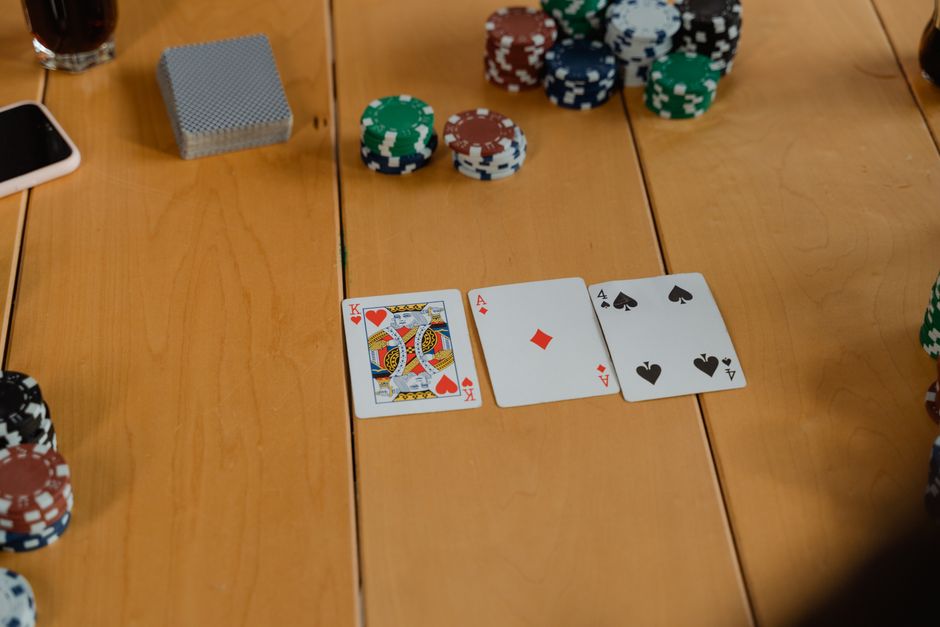
Poker is the only iGaming vertical where a skilled player can consistently profit. But 'consistently' is a loaded word. Even the best players endure downswings lasting thousands of hands. If you're new to online poker, start with micro-stakes cash games or low-buy-in tournaments. Learn position, pot odds, and range construction—not just your own cards.
A concrete tip: Track your hands with a tracker like PokerTracker or Hold'em Manager. After 10,000 hands, you'll see leaks you never noticed (e.g., calling too much from the small blind, overvaluing top pair). Also, bankroll management is non-negotiable. A common rule: never buy into a cash game for more than 5% of your dedicated poker bankroll. For tournaments, keep buy-ins to 2% or less. That way, a bad run won't wipe you out.
And please—don't play tired or tilted. Poker rewards patience. The moment you start 'punishing' a bluffer, you've already lost.
Sports betting feels simpler than poker—just pick a winner, right? Wrong. The margin between winning and losing bettors is often the ability to find value: when the odds offered are higher than the true probability implies. For example, if you believe a team has a 50% chance to win, fair odds are 2.00 (even money). If a bookmaker offers 2.20, that's value. That's not about being 'right'—it's about being right more often than the odds suggest.
Three practical rules for betting:
Also, avoid parlays unless you're doing it for fun. The house edge compounds with each leg. A 4-leg parlay with each leg at 50% true probability gives you only a 6.25% chance to win—but the payout usually implies a 10–15% chance. That's a bad deal.
Welcome bonuses look generous—100% up to $500, 200 free spins, etc. But the devil is in the wagering requirement. A 40x wagering on a $500 bonus means you must bet $20,000 before withdrawing. And not all games contribute equally: slots often count 100%, but table games might count 10% or even 0%.
Before claiming any bonus, ask: What is the effective value? If you deposit $100 and get a $100 bonus with 40x wagering on slots (96% RTP), your expected loss from wagering is roughly $20,000 × (1 - 0.96) = $800. That's more than the bonus. So either skip the bonus or treat it as entertainment, not profit. Many sharp players decline bonuses entirely to keep their withdrawals unrestricted.
iGaming can be thrilling, social, and even profitable—but only if you treat it like a hobby with costs, not a get-rich-quick scheme. The house always has an edge in casino games and betting; poker is the exception, but only for the disciplined. Set deposit limits, take breaks, and never bet money you can't afford to lose. The real skill isn't memorizing slot RTPs or poker ranges—it's knowing when to stop. Master that, and you'll enjoy the ride a lot more.
Sep 21,2018 - Sports
Sep 21,2018 - Sports
Copyright © 2026 Tile & Stone Journal. All rights reserved.The Tile Collection. All Right Reserved.
 Daniel Foster

John Doe - 1 November 2026
The Tile Collection Real stories, useful guides and the occasional recommendation, all in one calm corner of the web.
John Doe - 29 july 2018
The Tile Collection Simple, genuine and looked after with care — the kind of place worth returning to.
John Doe - 29 july 2018
The Tile Collection Simple, genuine and looked after with care — the kind of place worth returning to.
John Doe - 29 july 2018
The Tile Collection No rushing, no fuss — just thoughtful notes and practical help, written by people who care.